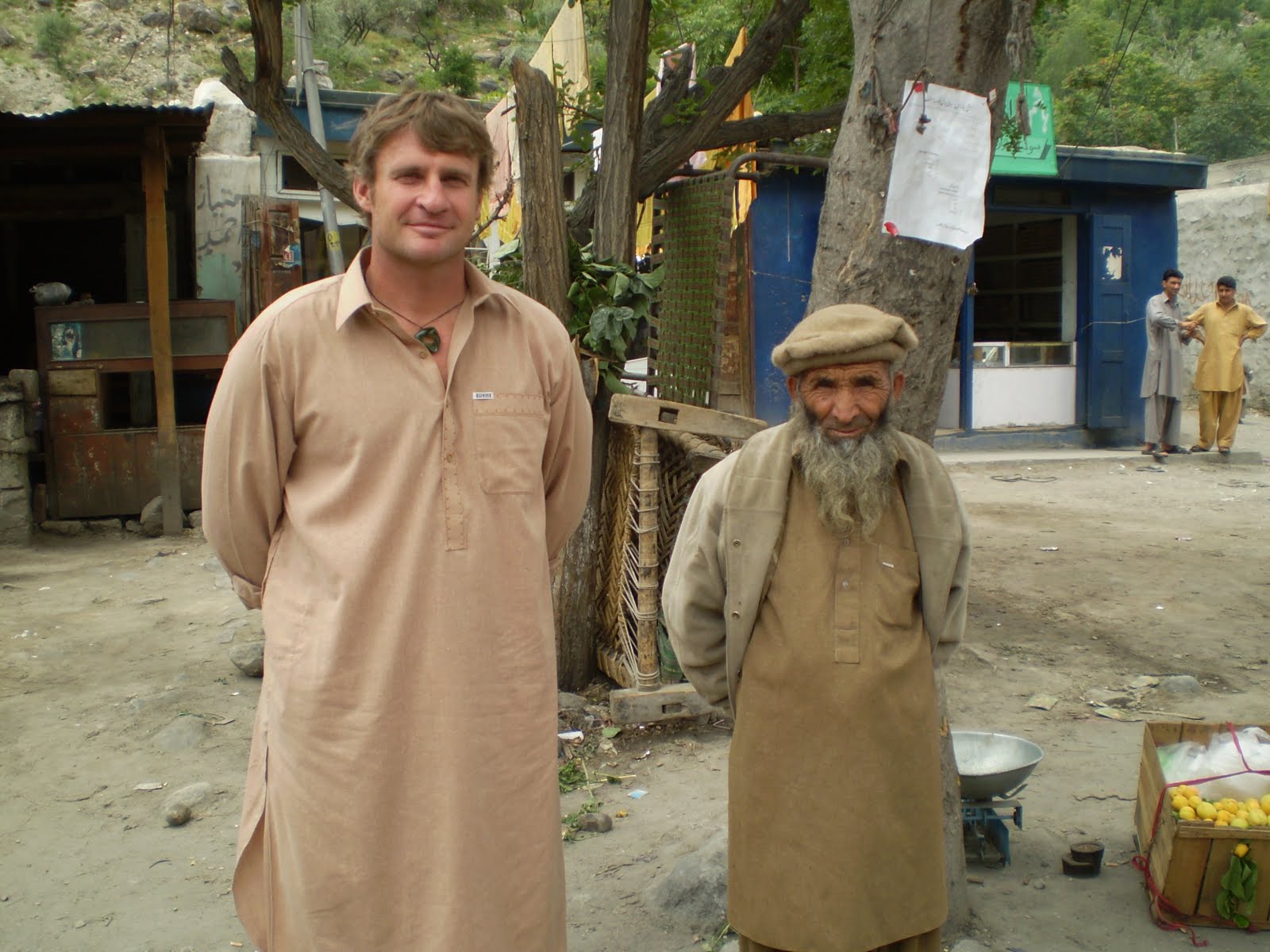
At Lahore Airport, while waiting for our domestic flight north to Islamabad, I ordered two bottles of water from a kiosk. When served, the water came with egg sandwiches and Madera cake.
‘Oh yeah,’ said Pat. ‘I forgot about that. Do you want my sandwiches?’
The goal for the trip was a 6000 metre unclimbed mountain called Karim Sar near the Hunza Valley, in Pakistan’s Northern Areas. Pat had spied the mountain from one of her previous trips, and found out that it had been attempted unsuccessfully by a strong Italian team. Apart from that, we didn’t know much about the mountain or the Shutinbar Valley we were to approach it from. The Italians wouldn’t divulge any information as they were keen to head back for another go.
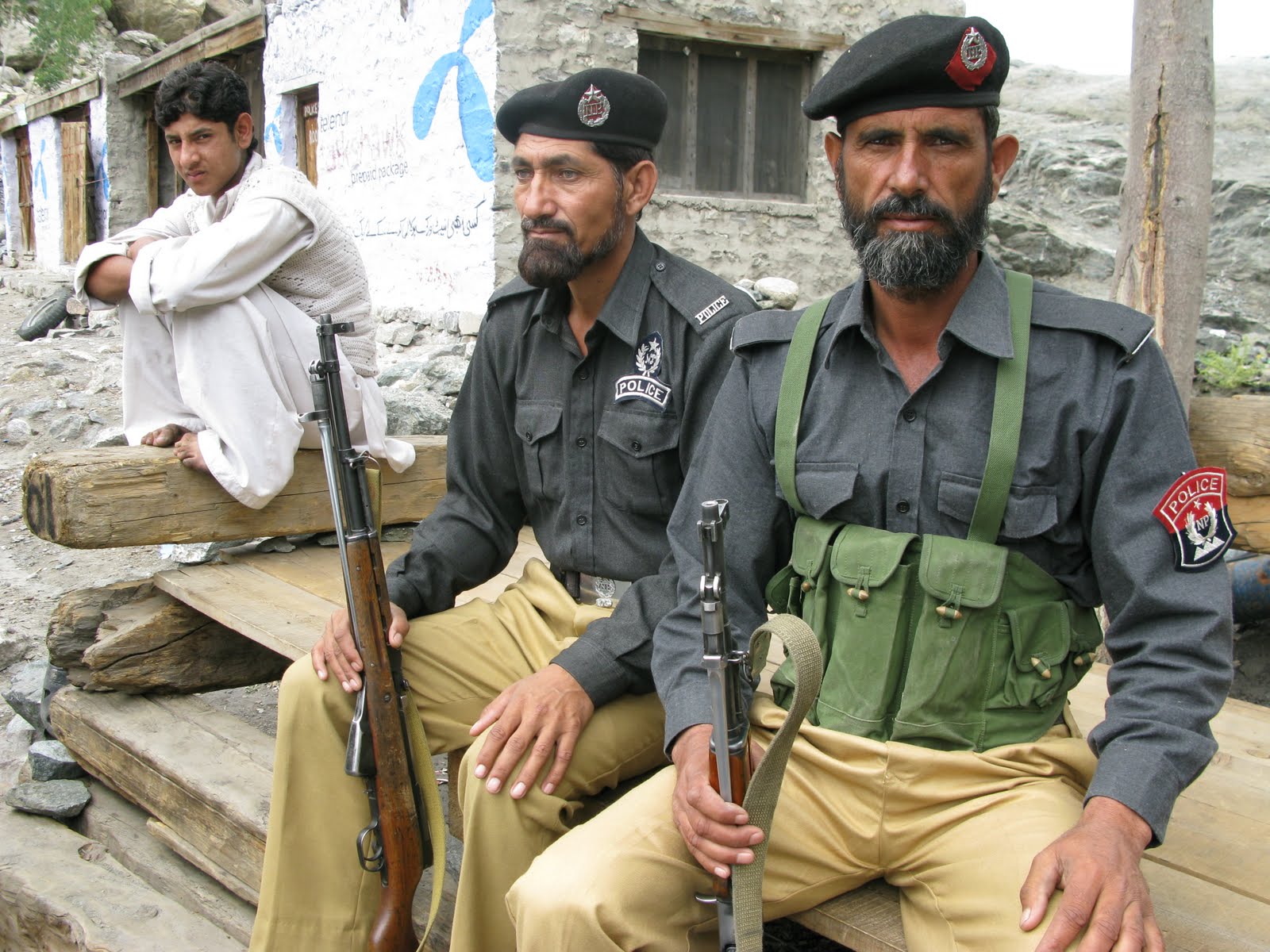
To reach Karim Sar, we needed to travel along the fabled Karakoram Highway (KKH), which is maintained by the Chinese, to Gilgit and then on to Chalt and finally Budelas. Part of the road trip meant squeezing between the eastern fringes of the Swat district, where the Taliban and Pakistan military were fighting, and the troubled Kashmir. Along with occasional suicide bombings in various urban areas, and of course the actual climbing, this part of the journey was likely to be the riskiest.
‘How do you know when it isn’t safe?’ I asked Baig, our local guide, after he met us at Islamabad Airport. Heavily-armed military personnel and police officers patrolled the airport’s entrance, perimeter and surrounding roads.
‘It is always safe, until you meet bad people,’ he replied. ‘Then, very quickly, it isn’t safe any more.’
Baig works for Nazir Sabir Expeditions, the company we used to organise all of our logistics in Pakistan. Company owner Nazir Sabir is a famous high altitude climber, known for achieving a difficult first ascent on K2, Pakistan’s highest mountain.
In previous years, the company had organised many expeditions, but more recently there has been a sharp drop in the number of western tourists. Baig partially blamed the western media for creating a false impression about the dangers of travel in his country. He explained that certain areas were considered dangerous, but usually westerners could still travel unhindered throughout the country.
I found Baig’s comments a slight contrast to the way the company limited Pat’s and my attempts at unsupervised sightseeing in Islamabad, Rawalpindi and parts of the KKH. Understandably, and given the downturn in tourist numbers, if something happened to us it would no doubt damage what little business remained for Nazir Sabir Expeditions.
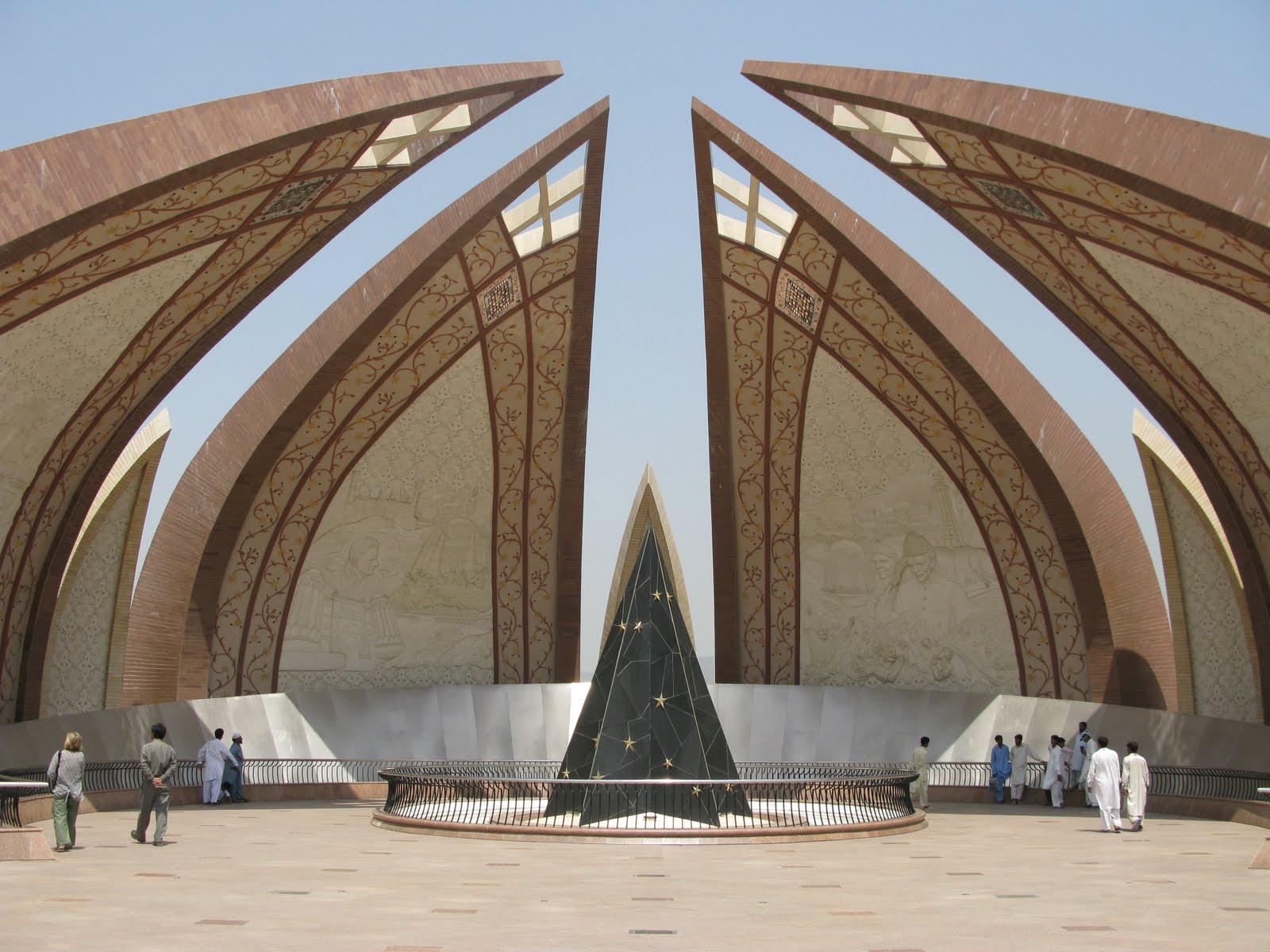
Pat and I remained in Islamabad for two days while trying to get our freighted luggage through customs. After flying out from a bleak New Zealand winter, the 40+ degree temperature proved somewhat combative, and the limited bursts of supervised sightseeing between extended periods enclosed in our air-conditioned hotel rooms proved to be a blessing.

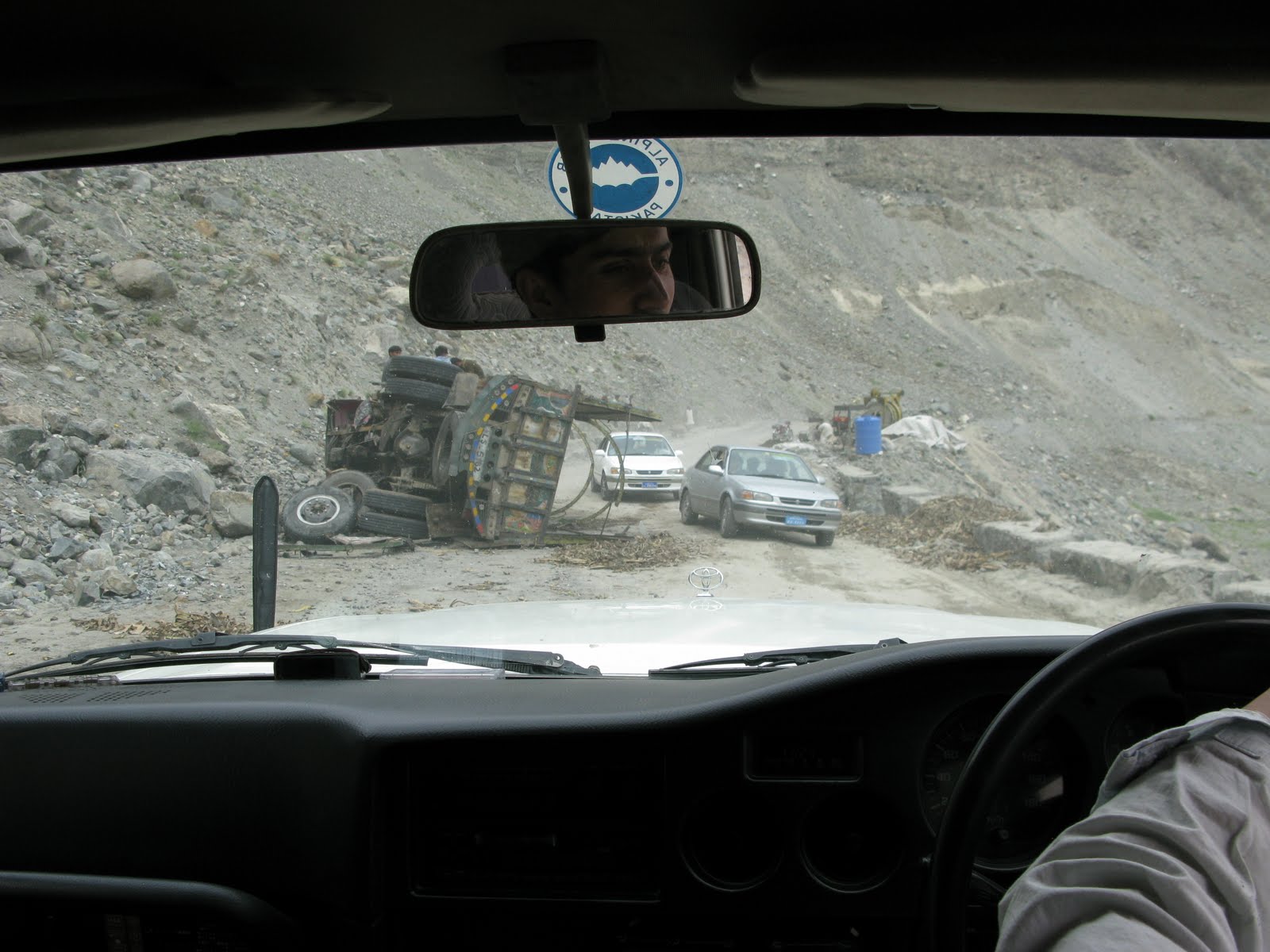
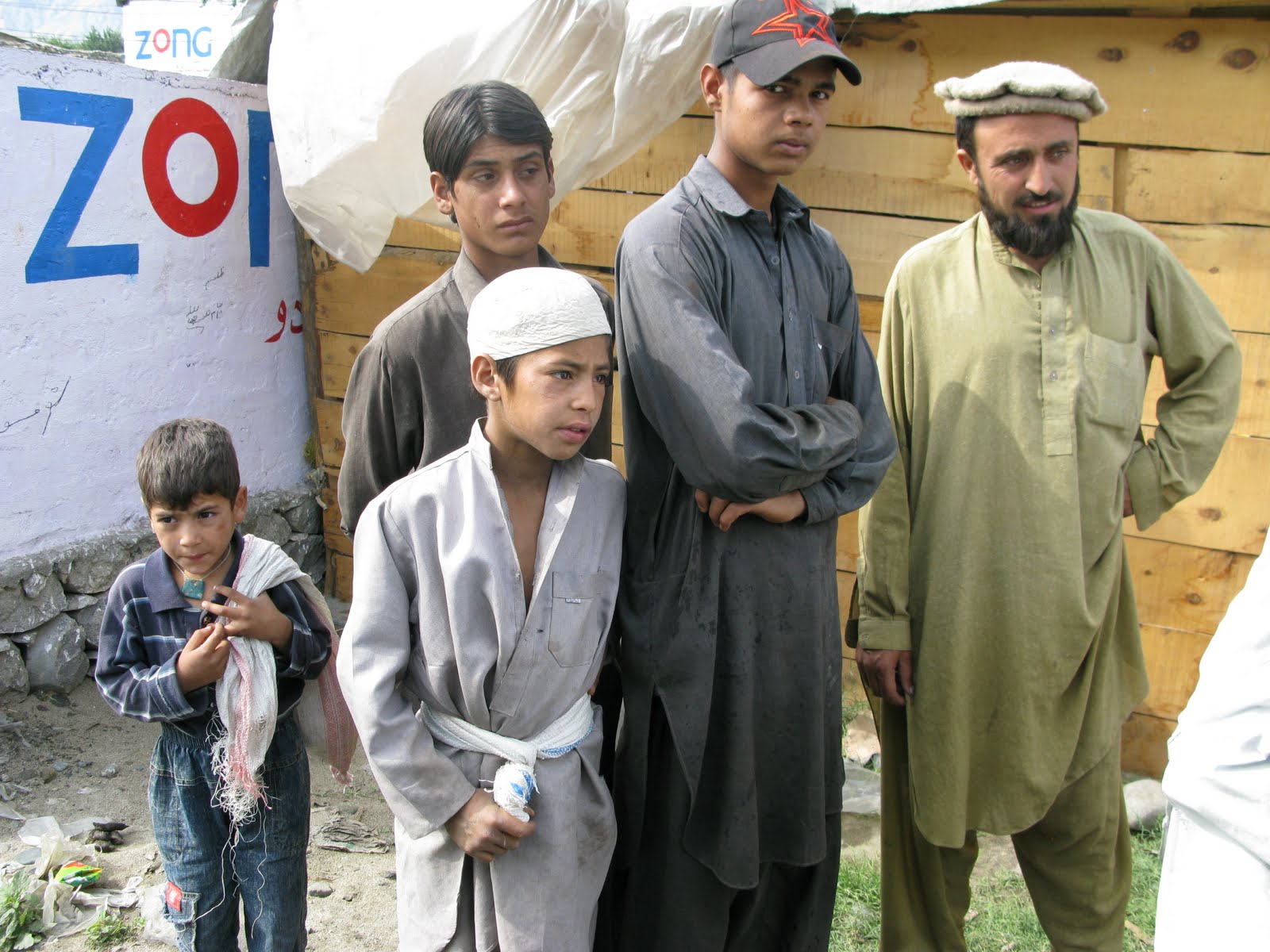
Seeing firsthand the effect on the people of a fight considered essential for the security of Pakistan made me realise, not for the first time, how easy we have it in New Zealand and how we tend to take our liberty for granted. The daily struggle for a majority of Pakistanis to have even basic necessities is very real and, at times, desperate. This is while western democracy sits on the sidelines and judges a religion and culture it doesn’t fully understand. Small wonder certain factions turn against the west.
Reading a local newspaper, I came across an article reporting that the Taliban was purchasing children directly from poor families, and training these youngsters to be suicide bombers. Selling one child meant the rest of the family could be fed and housed safely, a harsh reality but one faced by many. And here I was, on an expedition costing thousands of dollars that had no value other than a recreational pursuit.
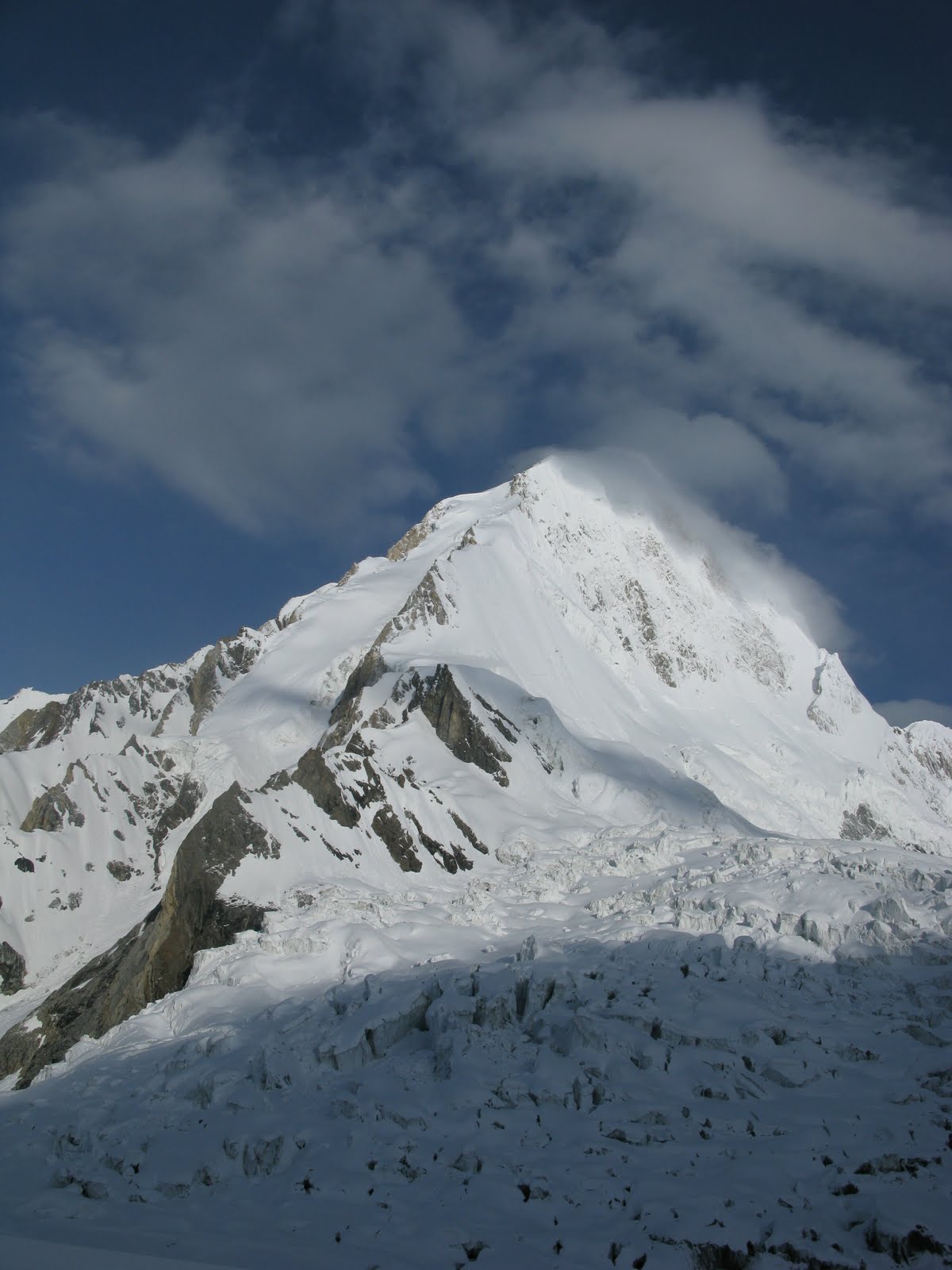
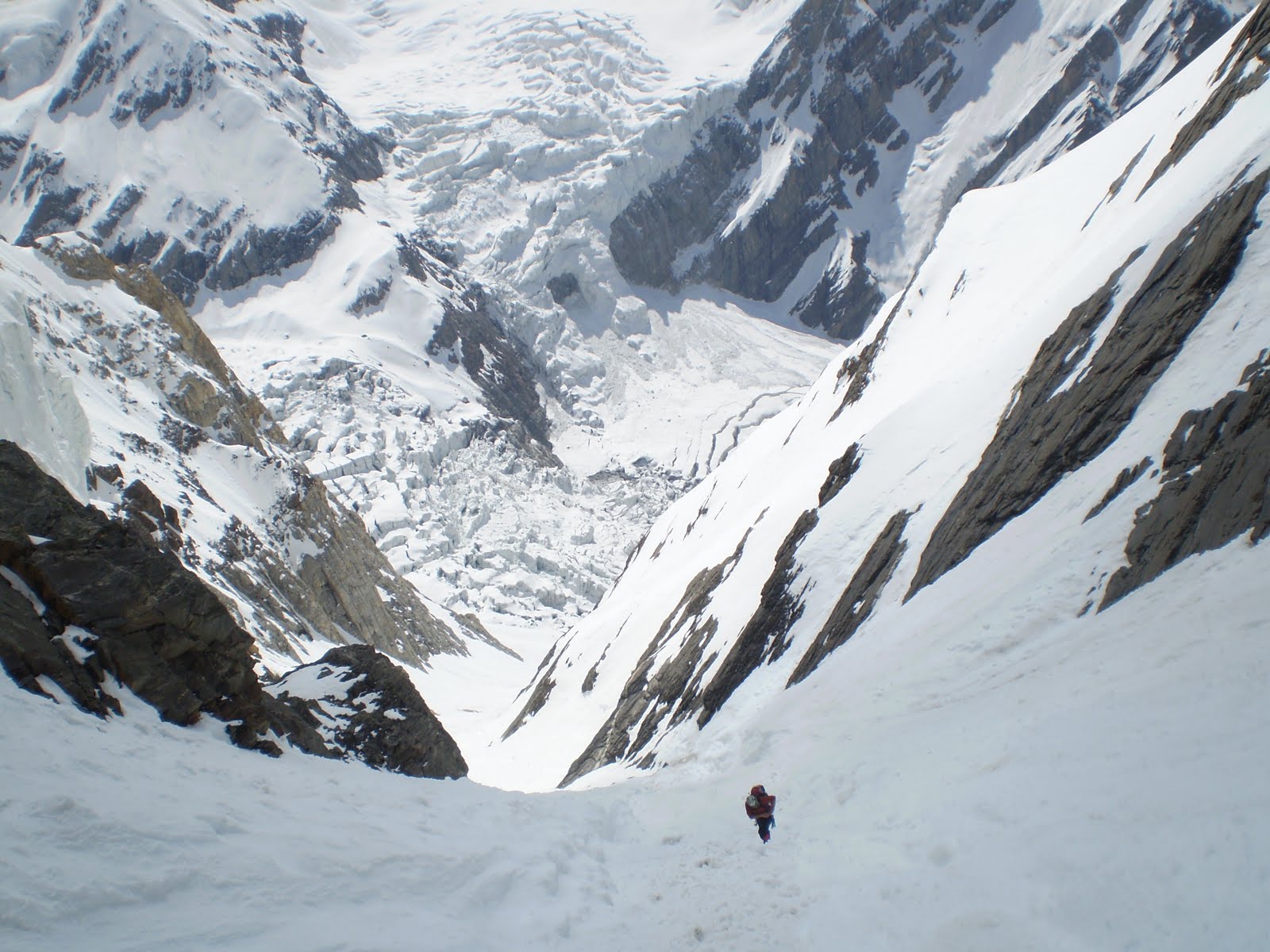
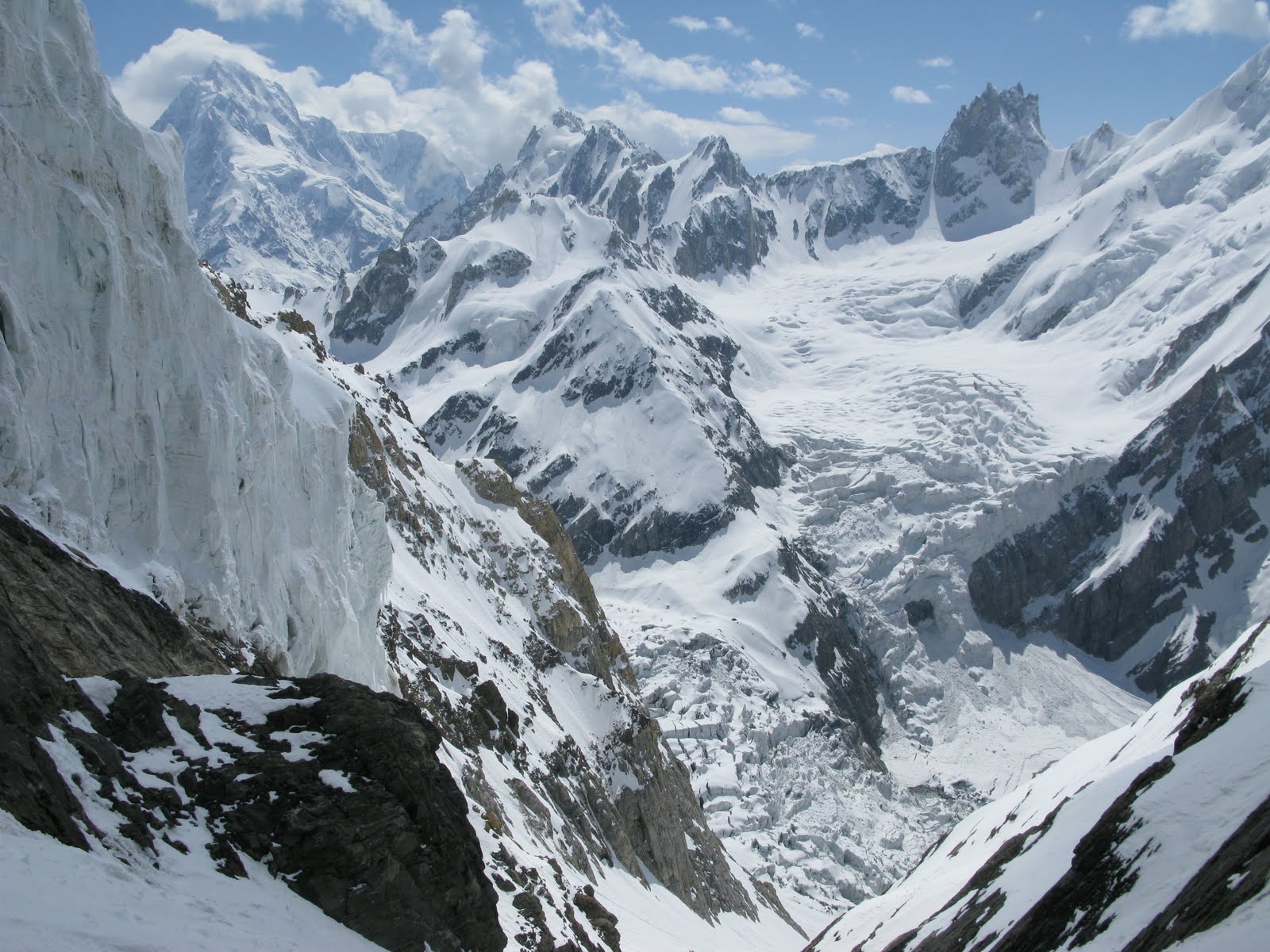
At Budelas, we hired porters and donkeys for the two-day trek to base camp. The rugged dryness, crumbling silt escarpments and abrupt landscape of the lower Chalt district gave way to pockets of irrigated greenery. Cherries, mulberries and apricots grew in abundance, and we followed the gentle uphill gradient of a long-established stone-walled irrigation channel clinging to the side of a steep cliff. It took me some time to realise that, by looking up, I wasn’t staring at steep-sided clouds. These were sheer monstrous mountains, some with an elevation of five vertical kilometres from where we rested. They are the most impressive testaments to alpine architecture that I have ever seen. The world’s three great mountain ranges converge here: The Himalaya, the Karakoram and the Hindu Kush. Pakistan has five mountains over 8000 metres high and more than 100 over 7000 metres high. I couldn’t even begin to comprehend the prolonged effort required to climb something so big.
 Paul Hersey Writing
Seems like there are many hidden places in Pakistan worth visiting. That place looks lovely. It is just unfortunate to learn about those kids being trained to be suicide bombers.crown lanta koh lanta
LikeLike
Pakistan has much more different image, news agencies and reporters spread 95% negative image of this country which is very wrong. Although there is negativity in this country but not too much like demonstrated in the news paper.If you are not bad and are not here for bad purpose then you are totally safe everywhere in Pakistan.
LikeLike