Recently, I had been working every Tuesday at the outdoor store Bivouac on Colombo Street – partly to be able to buy cheap climbing gear, but more importantly to force myself into taking a day away from my computer and interacting with people.
At 12.30pm on February 22, I took my lunch break from Bivouac and walked outside into the CBD. After eating sushi, I bought coffee from Vivace on the recently renovated Hereford Street, before taking the lift up to the sixth floor of the Vero Building to catch up with friend (and incredible photographer) Lee Howell. Lee and I chatted about possible future projects we could work on together.
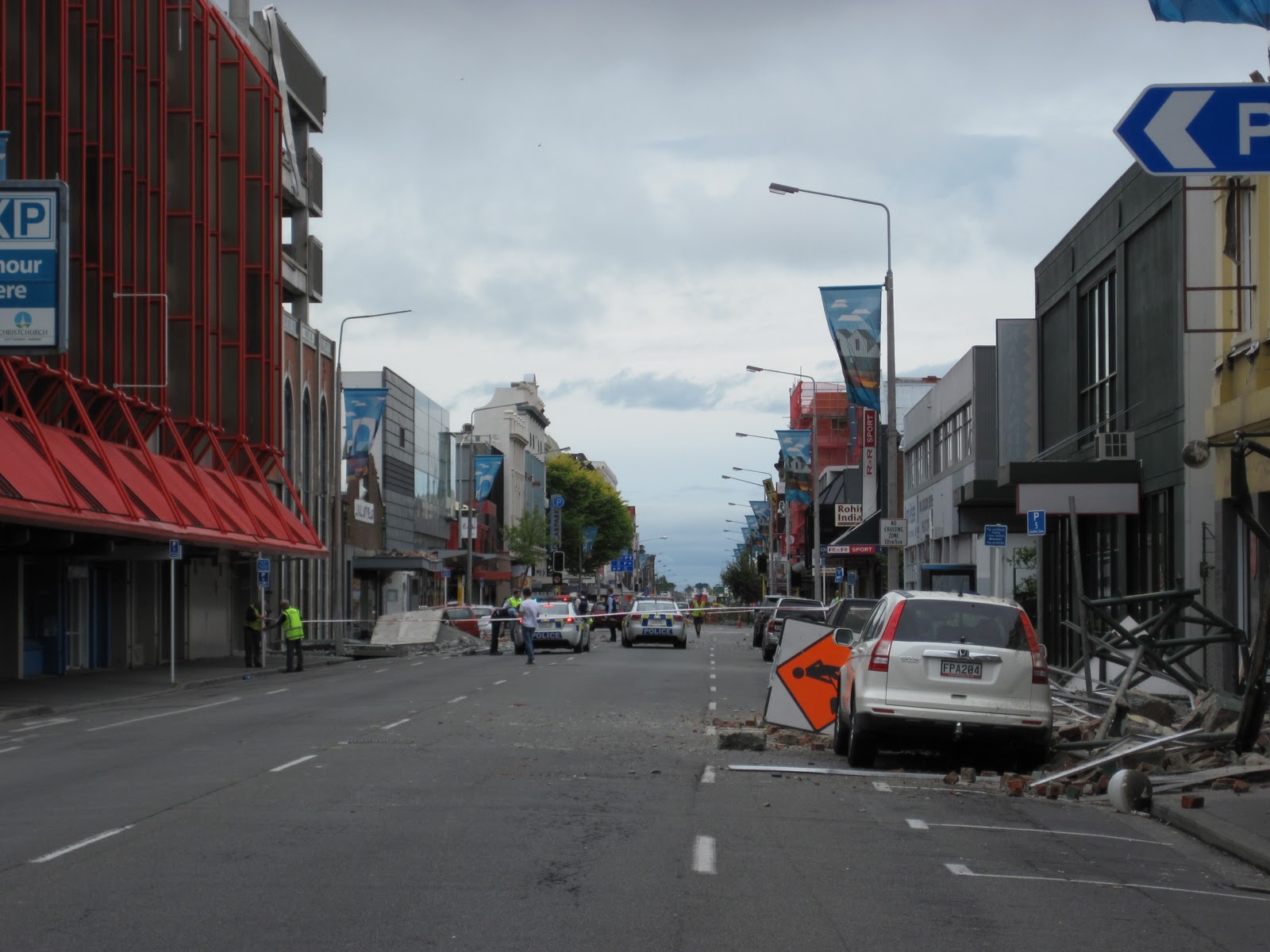
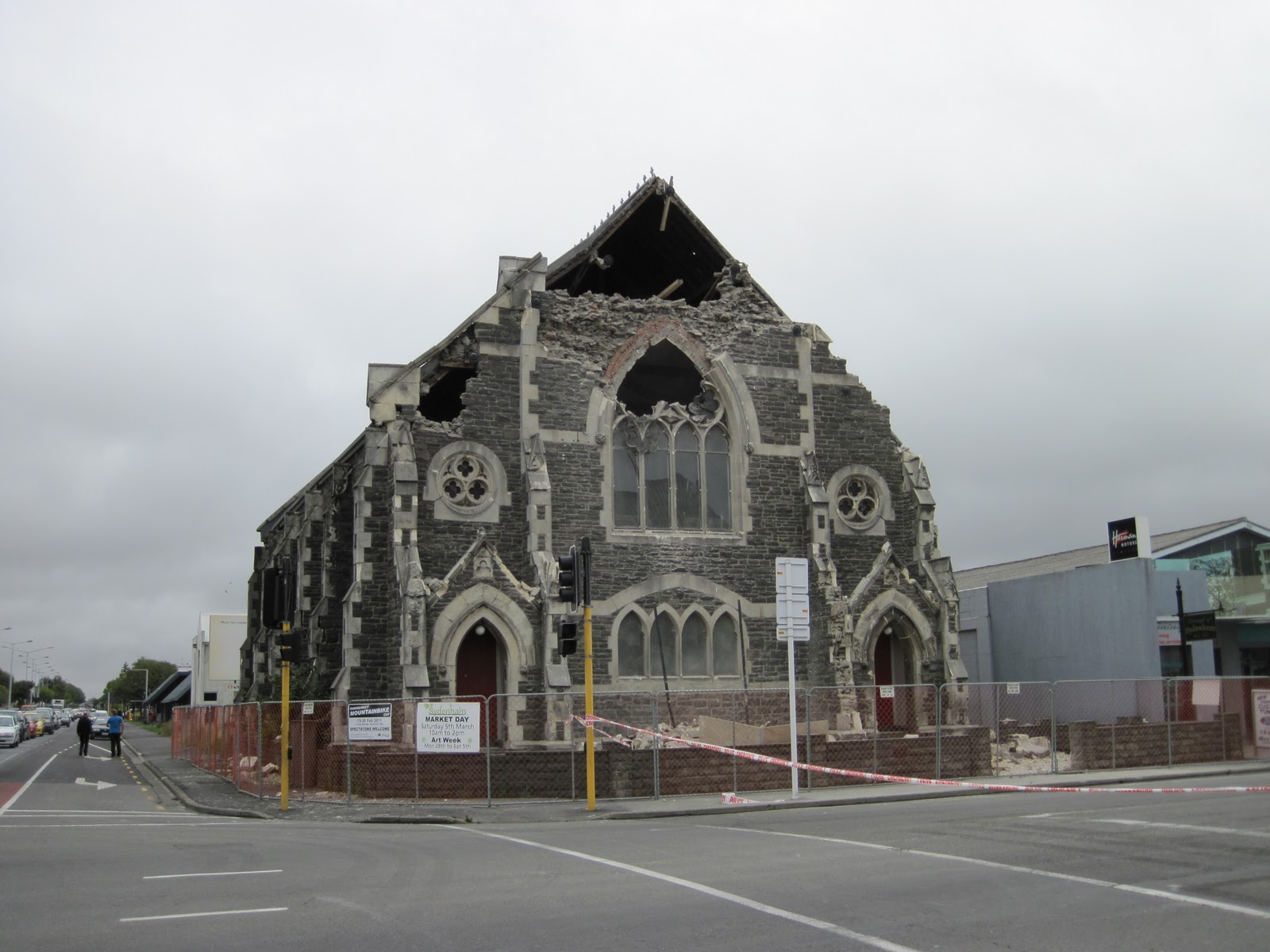
Upon reaching the Avon, I walked south along its banks, past the Bridge of Remembrance and then down Lichfield street towards where it intersected Colombo. The scene was utter chaos and destruction. Cars were crushed by collapsed walls. People stood in small clusters and looked on with shocked disbelief. Some held pieces of clothing over wounds. A few were inert on the ground, presumably having been dragged clear. Others dug hopelessly at mounds of rubble. I passed a man with a head wound, who couldn’t work out which direction the hospital was in, and I asked an uninjured bystander to take him there. My phone bleeped – Shelley checking to see that I was okay. Relief flooded through me that she was fine. I kept trying to text back to no avail. How were my work mates, I suddenly thought, and rushed down the remainder of Lichfield towards Bivouac, passing a burst gas pipe hissing and a dazed policeman not knowing what to do first. The Bivouac building was still standing, but the glass frontage had shattered. Rob stood outside, and Chris was getting on his bike to go and check that his wife and children were fine. We hugged quickly and he cycled off. John came over covered in dust, saying he had just helped to dig an elderly woman out from under a collapsed veranda. Both directions of Colombo Street looked like a war zone.
Another policeman arrived and they both started shouting: ‘You have to leave! There is a gas leak.’ I wondered how to get to Shelley at her work on the corner of Brougham and Durham. South along Colombo looked impassable. The only way out was east along Lichfield and then maybe south along Manchester. I figured that, at least, once clear of the CBD no buildings could fall on me. The road was gridlocked with vehicles, drivers trying to inch their way out over ruptured roads, while aftershocks continued and more bits of buildings fell onto the street. Inside a vehicle was the last place I wanted to be.
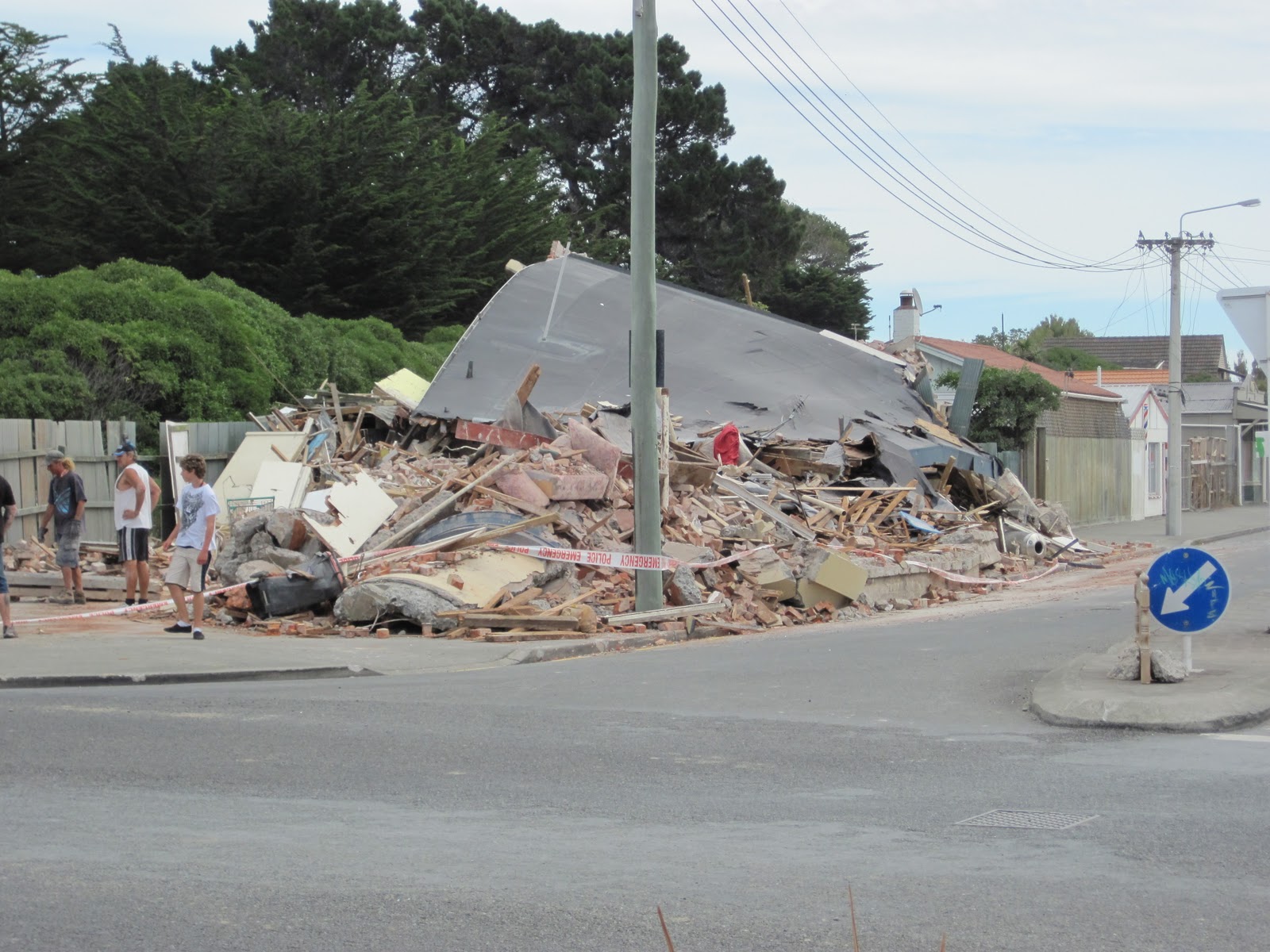
I helped a Japanese couple down Lichfield, escorting the elderly woman by the arm as we weaved between the cars and stayed as far away as possible from the more fragile-looking buildings. On the corner of Lichfield and Manchester I crouched beside a man who was lying, unconscious and alone, on the ground. There were no obvious injuries, but he was covered in dust. Someone turned up with a blanket, and soon after a police car pulled up alongside. I didn’t know what else to do. My father was staying at our house in Southshore, which had been hit hard in the earlier September quake. Finally I got a text through to Shell. The best option seemed to be to start walking home. Along with droves of others, I left the CBD.
Three hours later, after avoiding craters in the roads, and watching panicked drivers driving into them, wading through sewerage and wastewater and silt from liquefaction, seeing slumped bridges, crushed houses, fallen trees and snapped power lines, and peoples’ faces everywhere wide-eyed, blank and lost, I reached home.
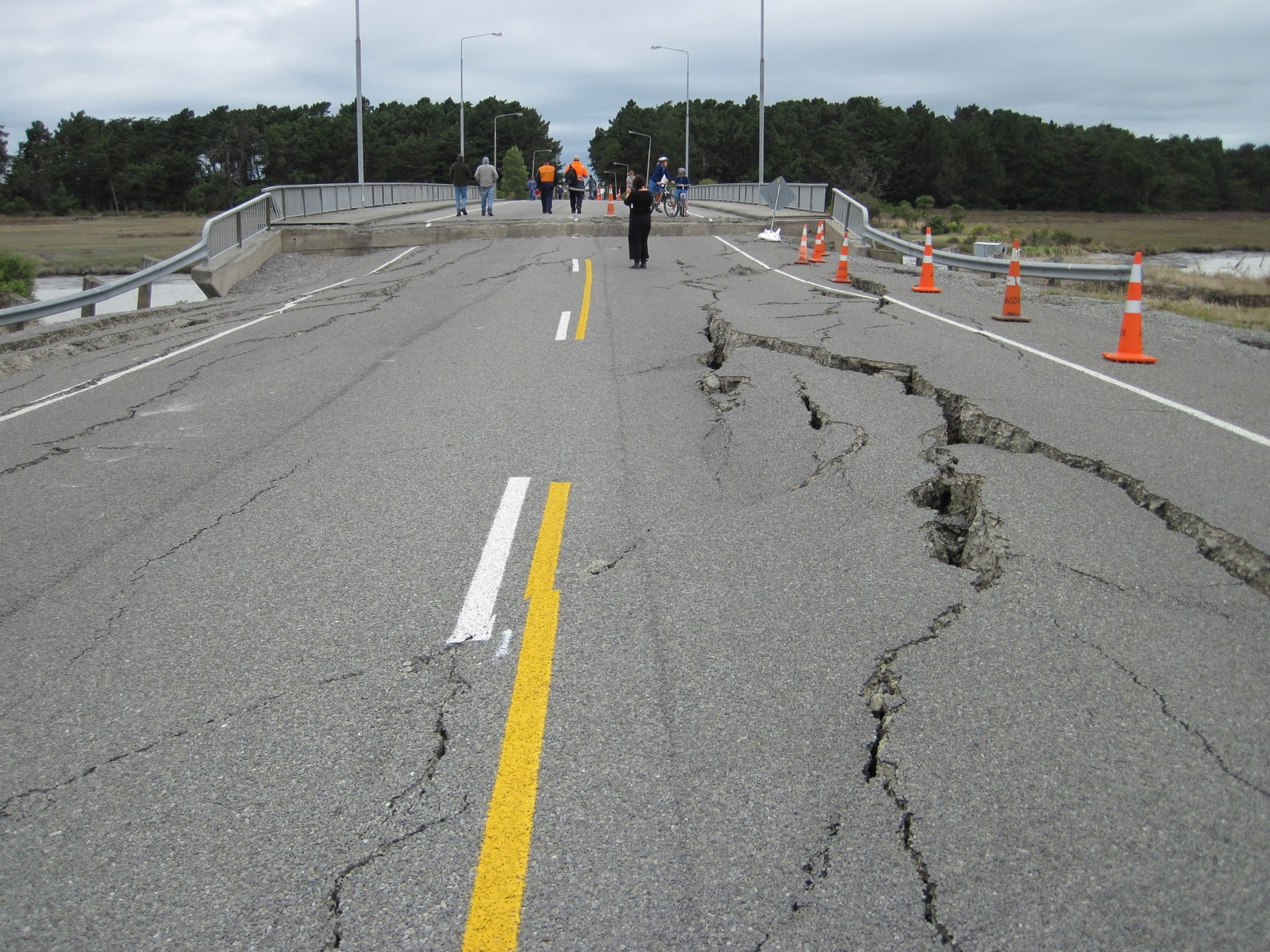
Two weeks later: The death toll is still rising. I haven’t been back into the centre of town, but large portions of it are barricaded. The latest estimate is that 50% of the CBD will need to be rebuilt. Our house is liveable, though it has slumped sharply on one side and will likely need to be demolished. It looks like all 10 of the houses in our lane will go, along with thousands of others throughout the city. Power and water are back on here, and our day to day living is at least starting to feel a little more normal. The eastern district is like a ghost town. Tens of thousands have left Christchurch, finding solace in other parts of New Zealand away from the ongoing aftershocks.
Where to from here? I have no idea, but at least we are alive and uninjured. So many families and friends have lost loved ones. And hundreds of others are in hospital with serious injuries. Christchurch – and life – will never be the same. But how could it be after a natural disaster of this magnitude? I would like to congratulate the authorities on their concerted and sustained efforts. At times the organisation of recovery efforts has seemed disjointed, but I can understand why. This is not something you can plan for and hope to cover every contingency. This is fire fighting on a large scale.
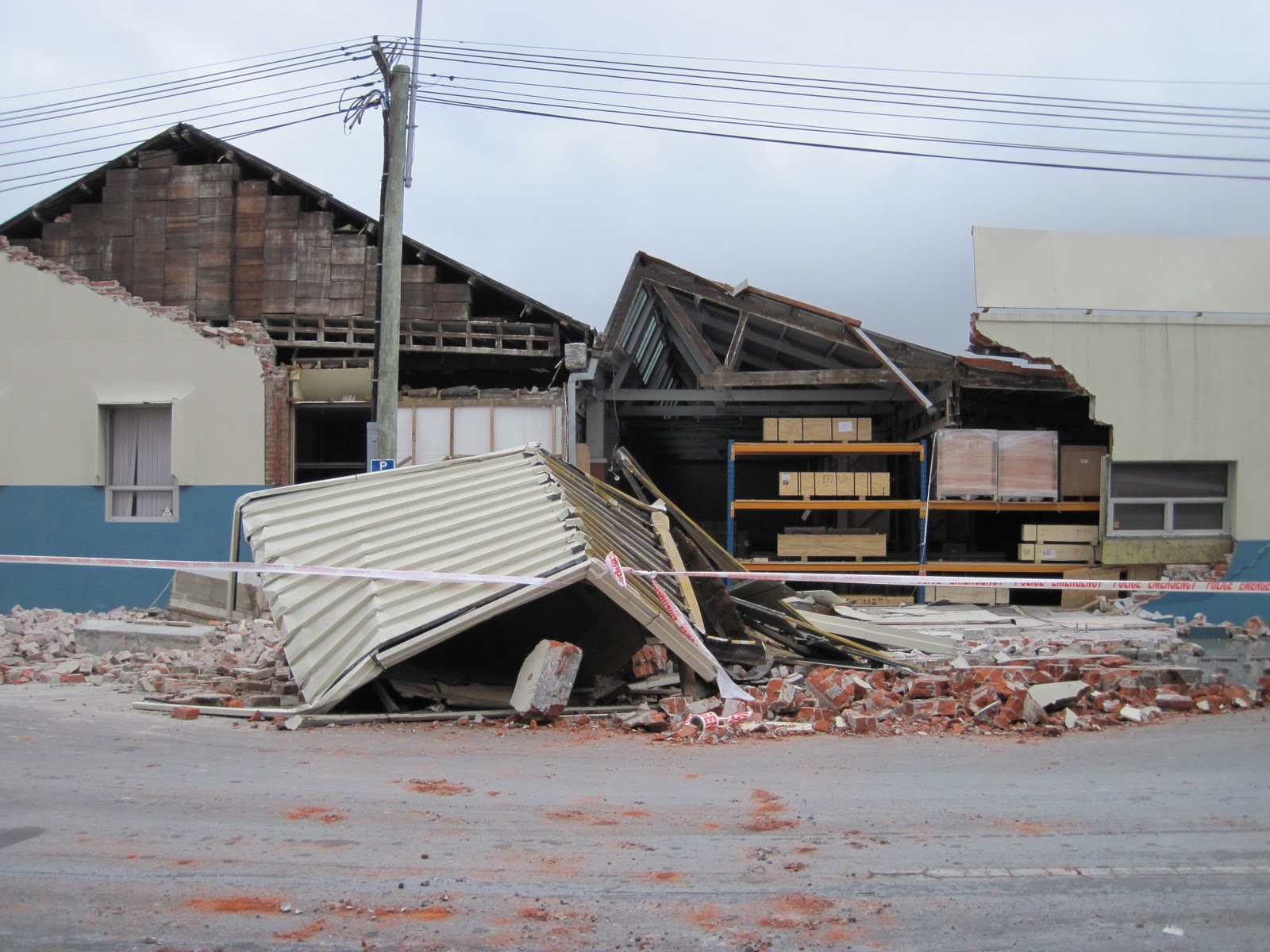
I am touched by the level of compassion people are showing for their neighbours. It seems that the concept of community is not lost, even in a city the size of Christchurch. Every day our neighbours check on each other, pooling together resources and making sure spirits are as high as they can be. And that feeling and support is what Christchurch needs. Mayor Bob Parker said at one stage that the city was ‘on the cusp of not being a city’ any more. Canterbury, the South Island and indeed all of New Zealand needs Christchurch to, slowly but surely, return to its former glory. My Great Great Uncle, the poet and author Johannes Andersen, was one of the city forefathers. He wrote lovingly of its architecture, its coastline, its plains and its rolling hills. My grandfather grew up here. For better or worse, I am linked to this place, and I feel its vitality as my own.


Question must be asked: did you ever get hold of Lee??I know how you feel about the city. We've been sent to Palmerston North for a week while our parents are out of the country and it's utterly agonising. I want nothing more than to be back in Christchurch, no matter how irrational that is since our house is in the southeast – it's my *home*. I don't care if going to the bathroom requires a dust mask and a walk around the block or it's strange not to hear helicopters or going to the supermarket is an epic mission involving internal air cycling, more time spent in the car than the shop and trying to remember if there's anything in the road code about passing tanks. We'll get past that and I wouldn't miss it for anything.
LikeLike
Yes, Lee is fine. I think he is considering moving back to the UK now though. I know what you mean about the armoured vehicles, especially when they are motoring around the streets with big guns still attached on the front.
LikeLike